
The Nature of Luck in Gambling
Luck is often perceived as an unpredictable force that plays a fundamental role in the outcomes of various gambling activities. In casinos, where the games range from spinning slot machines to strategic card games, the element of chance permeates every decision and roll of the dice. While skill and strategy can certainly improve a player’s chances of winning, it is often luck that ultimately determines immediate results, leading to significant disparities in outcomes among players. For instance, two individuals may utilize identical strategies at a table, yet one could leave with a jackpot due solely to fortunate circumstances that favored them at that moment, such as playing online pokies real money on a lucky day.
Understanding the inherent volatility of luck is critical for players aspiring to achieve success in casinos. Luck can be unpredictable; a fortunate streak might quickly turn into a series of losses, reminding players that, while they can exercise a degree of control, the whims of chance can swiftly alter their fortunes. This unpredictability adds to the excitement of gaming, as players are drawn to the possibility of extraordinary wins that only luck can provide. By embracing this element, players can enhance their thrill and engagement in the overall gaming experience, elevating the stakes of their endeavors.
Moreover, casinos actively leverage the concept of luck to attract patrons and stimulate interest. Marketing campaigns often emphasize the opportunity to win big, targeting the audience’s hopes and desires for fortune to smile upon them. This dynamic heavily relies on the belief that anyone can strike it rich, reinforcing the idea that luck is a vital component in achieving success in the casino environment. Consequently, while players may invest time in skill development and strategic thinking, the underlying truth remains that luck is an essential element in the realm of gambling.
Psychological Aspects of Luck
The psychology surrounding luck significantly influences player behavior within casinos. Many gamblers develop beliefs in “lucky charms” or specific rituals they believe will enhance their chances of winning, showcasing how deeply ingrained the notion of luck is in their mindset. These psychological phenomena often provide players with a sense of control, even if that control is merely an illusion. For instance, a player might wear a particular outfit or carry a token they associate with previous winnings, firmly believing it will bring them good fortune. This behavior exemplifies how the concept of luck is woven into the fabric of gambling culture.
This psychological reliance on luck can yield both positive and negative outcomes. On one hand, believing in luck can significantly enhance a player’s enjoyment of the game, leading to a more immersive and engaging experience. On the other hand, such beliefs can also drive individuals to gamble recklessly, convinced that luck will eventually turn in their favor, which could lead to substantial financial losses. The fine line between a healthy belief in luck and a harmful dependence on it is vital for promoting responsible gambling practices, ensuring that enjoyment does not come at the cost of financial stability.

Additionally, the phenomenon known as “the gambler’s fallacy” illustrates how players can misinterpret luck in their favor. This fallacy emerges when individuals assume that past random events will influence future outcomes, such as believing that a slot machine that has not paid out recently is “due” for a win. These misconceptions emphasize the powerful psychological grip that luck has on casino-goers and how it can shape their decisions, often leading them to overlook the mathematical probabilities in favor of their beliefs about luck. Understanding these psychological aspects can help players navigate the emotional rollercoaster of gambling.
Luck Versus Skill in Casino Games
The interplay between luck and skill varies significantly across different types of casino games. In games of pure chance, such as roulette and slots, luck predominantly dictates the outcomes, with players having no control over the results. However, in skill-based games like poker and blackjack, players can influence their chances of winning through strategy and experience, which can lead to intriguing discussions about the essential role of luck in balancing competitive advantage within these arenas. Understanding this dynamic can help players tailor their approaches to different games effectively.
For instance, in poker, while players apply various strategies, luck still plays a significant role in the cards dealt throughout the game. A highly skilled player may enhance their odds through betting strategies and psychological tactics, yet they ultimately remain at the mercy of the shuffle. This juxtaposition of skill and luck is what keeps the game engaging, allowing both novices and seasoned players to find opportunities for success. This balance creates an environment where the unpredictability of luck adds excitement to competitions, making every hand dealt a thrilling encounter.
Moreover, the reliance on luck in casino games invites discussions about fairness and equity. Skilled players might achieve consistent winnings, yet luck can level the playing field, enabling less experienced players to achieve unexpected victories. This unique dynamic contributes to the unpredictable nature of the casino environment, where anyone can experience the exhilaration of luck, enhancing the overall gaming experience regardless of skill level. Understanding this interplay can provide valuable insights into how players approach their time in casinos.
The Role of Randomness in Casino Operations
Luck is systematically integrated into the operations of casinos through randomness, which is crucial for ensuring that every game remains fair and unpredictable. This randomness is essential in maintaining player trust and engagement, as it assures participants that outcomes are not predetermined. Casino games utilize sophisticated algorithms and random number generators (RNGs) to ensure fairness, reinforcing the idea that luck is a constant factor in all gambling activities. This technology guarantees that each spin of a slot machine or deal of cards is independent, making the chance of winning truly random and fostering an atmosphere of equity among players.
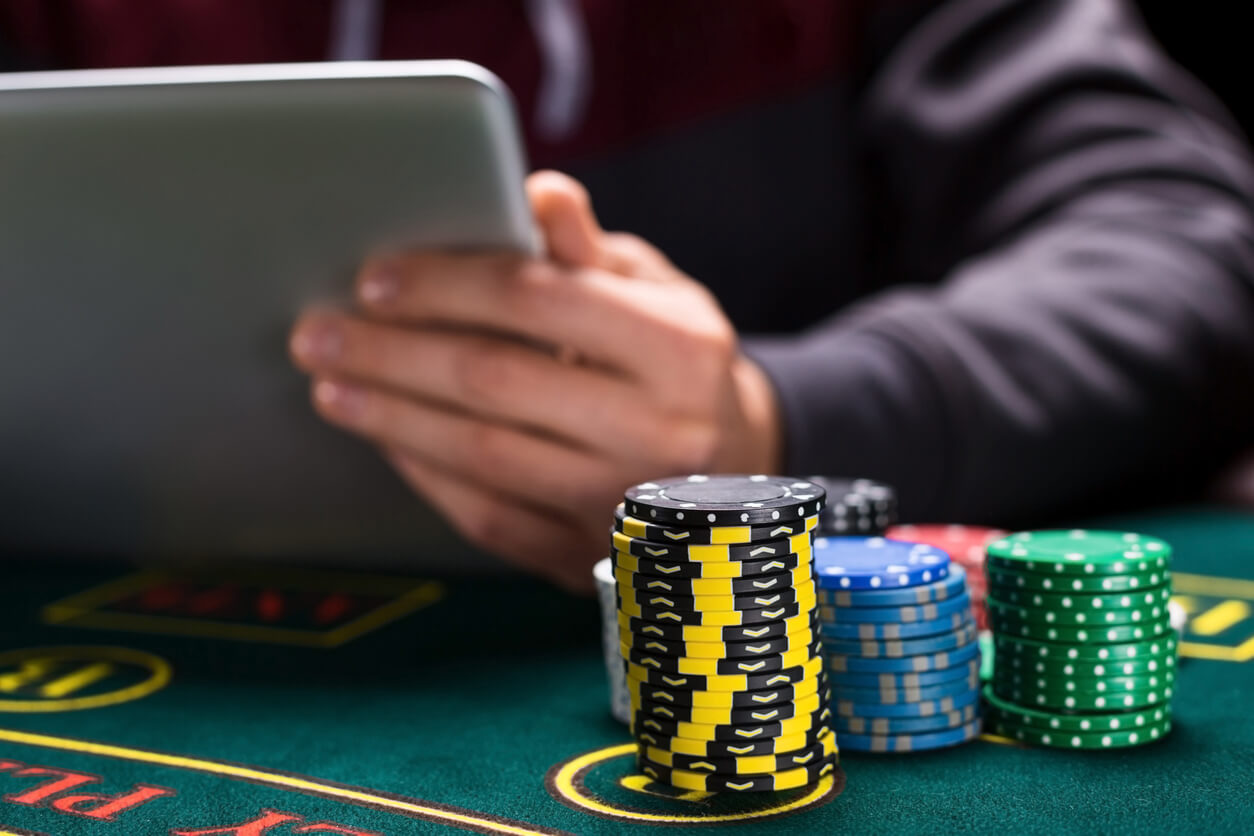
Furthermore, the ambiance of casinos is meticulously designed to amplify the thrill associated with luck. From flashing lights to the sounds of ringing coins, every element is intended to evoke feelings of excitement and hope among players. This sensory experience plays on the concept of luck, encouraging patrons to take chances and pursue their dreams of winning. The interplay between the casino’s stimulating environment and the unpredictability of luck creates a cycle of optimism, which keeps players returning in hopes of experiencing their own fortunate break.
Lastly, the randomness of luck contributes to the statistical edge that casinos maintain over players, commonly referred to as the “house edge.” Understanding this concept is crucial for anyone wishing to engage in casino gambling responsibly. While luck can yield significant wins, the odds often favor the house in the long run, reminding players that while they may experience lucky streaks, the inherent risk remains. This duality highlights the importance of recognizing luck’s role while also respecting the fundamental risks involved in entering the casino landscape.
Finding Success and Balance in Gaming
Ultimately, grasping the vital role that luck plays in casino success can lead to a more balanced approach to gambling. Players can enhance their enjoyment by acknowledging that luck is an uncontrollable factor while also recognizing the importance of responsible gaming practices. By setting limits, practicing moderation, and remaining aware of the psychological influences at play, players can enjoy their time at casinos without falling prey to the pitfalls of over-reliance on luck. This understanding fosters a healthier relationship with gambling.
Furthermore, creating a personal strategy that integrates the thrill of chance with strategic gameplay can yield a fulfilling experience for players. Those who approach gaming with an open mind regarding their luck, coupled with a solid understanding of game mechanics, are more likely to enjoy the journey, regardless of the outcomes. Striking this balance between luck and skill can transform casino visits from mere chance-based efforts into enriching entertainment experiences, allowing players to appreciate the nuances of their games.
For those eager to explore the exciting world of gambling, understanding the underlying mechanics of luck is crucial. The interplay between chance, skill, and strategy deepens one’s appreciation for the games and leads to a more fulfilling experience. Embracing this balance fosters a healthier attitude towards gaming, ensuring that every visit to a casino is marked by excitement, enjoyment, and a commitment to responsible play that enhances the overall experience.