
Malicious individuals gain unauthorized access to legitimate player accounts through identity theft and account takeover (ATO) fraud. Significant financial losses occur for operators who create promotions to attract and retain legitimate players due to collusion among players manipulating bonus terms.
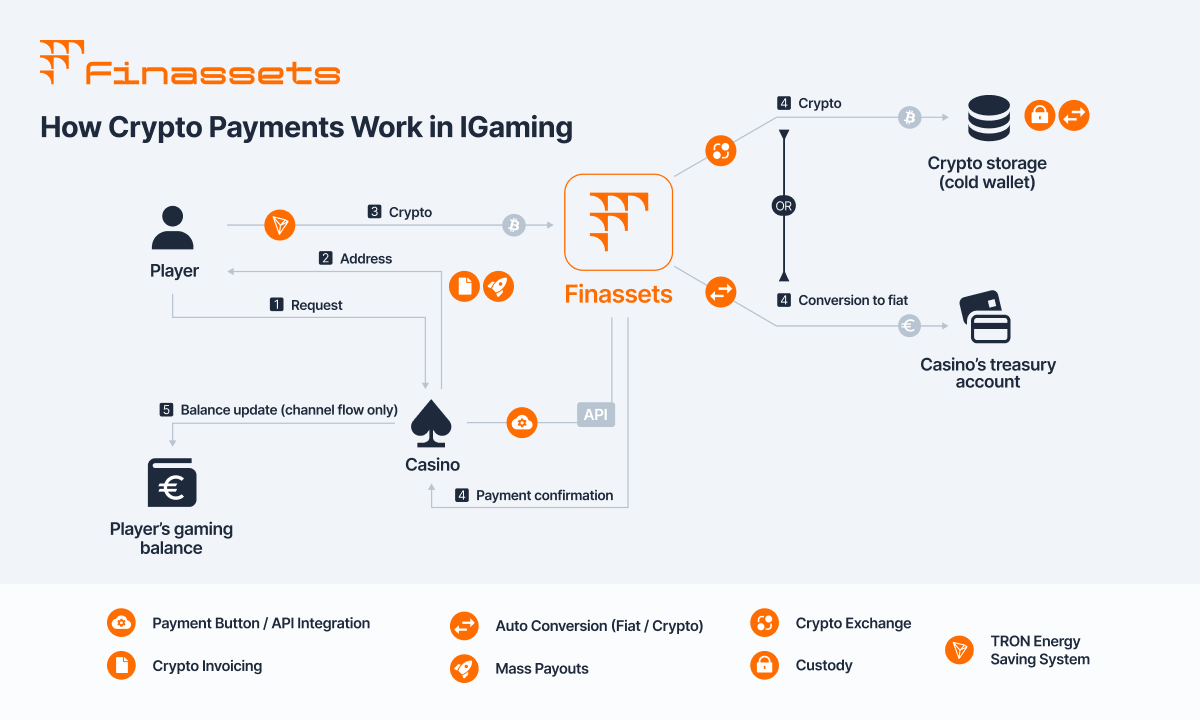
A common type of fraud is bonus abuse, where promotional offers are misused by players beyond their designated purpose. By optimizing payment flows for specific markets and switching dynamically between providers, operators can achieve a comprehensive overview of all transaction data. The use of centralized payment orchestration platforms (POPs) ultimately provides a strategic benefit. More competitive processing rates can be offered by local acquiring banks, which also help to lower cross-border fees and enhance understanding of regional payment trends and fraud patterns.
Operators may be classified as ‘high risk’ by payment processors due to excessive chargeback rates — leading to increased transaction fees or potential service termination. Although some chargebacks are valid (such as those resulting from legitimate fraud like card theft), many are fraudulent as players seek to recover losses from gambling or acquire goods/services without payment. Access to popular local payment methods and localized support is guaranteed by working with local PSPs, which greatly aids in managing specific regional operational complexities and compliance demands. Auditability and compliance can be improved by the transparent (immutable ledger), which may streamline certain regulatory reporting through a clear, verifiable transaction record.
Excessive dispute ratios or compliance violations may lead to fines (monitoring programs), or merchant account termination. Card networks such as Visa and Mastercard closely monitor high-risk industries, including gaming and betting merchants. It is a critical component of growth (player retention), and operational stability.
Trustly Pay N Play and Swish lead Swedish licensed cashiers, and Trustly leads in Germany. A book with 1,000 card attempts a day at a $50 average that declines 30% and loses three of every four declined players forgoes $11,250 in deposits a day, $4.1M a year. Debit cards lead licensed cashiers in the UK and Ireland — where credit cards are banned.
Compelling Evidence 3.0 from Visa Implications of the October 2026 Change for Subscription-Based Businesses
A chargeback costs roughly $207 total when you add up the refund, fees, operational time, and ratio damage. Identify the issuing bank by BIN and route to the acquirer with the best approval rate for that specific bank. Cross-border decline rates are 15-20% higher than domestic. At 5-10% GGR margin, that’s $750-$1,500 in lost GGR per day.
Partnering with a processor that provides tokenization and hosted payment pages ensures that card data does not interact directly with the operator’s systems, significantly reducing compliance burdens. A platform that handles substantial withdrawal volumes with standard next-day settlements essentially provides credit to its players while awaiting fund clearance. Finix incorporates fraud monitoring without any additional charges and offers transparent interchange-plus pricing (allowing operators to see exactly what each transaction costs), including any fees related to disputes.
To enhance user experience and ensure security (compliance), and efficient payment processing, our platform provides a variety of services and features. Certain methods (such as debit card transfers), bank transfers, and traditional checks, may take days or even weeks to process, resulting in delayed settlements. iGaming businesses that have adopted this structural modification claim improved relationships with their banking partners, as the unified reporting instills confidence in acquirers regarding the operator’s genuine oversight of its risk profile. Operators that achieve the best risk outcomes manage payment risk as a unified function led by a single senior leader responsible for fraud rules and tools (chargeback management), banking partnerships, and payment-related AML reporting. That leader oversees the fraud team, chargeback team, banking relationship function, and compliance payment reporting. Digital wallets are crucial, providing instant fund access and allowing connections to prepaid cards for everyday expenditures.
Transforming Decision-Making: The Impact of Prediction Market Software
Congress has until November 23, 2026, to vote on the measure and can extend that deadline once by 60 days. IGaming operators reporting a fraud increase , Sumsub 2025 operator survey, The range across iGaming payment providers spans from instant to seven or more business days. An operator that blocks new attempts on a card for 30 days after either code never pays the fee. Mastercard’s US fee per retry within 30 days of a decline with Merchant Advice Code 03 or 21
Operators that do not ensure seamless payment processing jeopardize the retention of players to rival companies. For your specific figures — utilize the interactive calculator provided above. 60-70% of all iGaming chargebacks.
It carries no chargebacks and pays players out in under 6 seconds at Trustly and under 10 at Brite. In the EU a cashier takes USDC, since USDT has no MiCA authorization and crypto-asset service providers must wind down USDT services other than withdrawal, conversion and transfer out by January 8, 2027. The open banking column ticks only providers that run their own pay-by-bank rail (so Nuvei), which offers Trustly in its cashier, shows a dash there. Banks decide one by one whether a gambling merchant gets access. No crypto gateway carries chargebacks for the operator, but settlement and reserves differ. In the US the same model runs on RTP, FedNow and same-day ACH through Trustly and Aeropay.

Problems of the traditional banking sector in iGaming
This directly impacts an operator’s financial agility and ability to respond quickly to market shifts — ultimately leading to reduced competitiveness. These segregated funds are typically held in trust accounts or designated client accounts, subject to strict auditing and reporting requirements. Another critical driver of capital lock-ups is regulatory compliance, specifically the requirement for player funds segregation. Finally, dedicated chargeback management tools and services can help operators to challenge illegitimate chargebacks more effectively. These regulatory actions not only impose direct financial costs but also severely impact an operator’s ability to operate in regulated markets — potentially leading to market exit. The most immediate impact is the direct financial loss from fraudulent transactions — chargebacks, and bonus abuse.
Many operators, including fully licensed and compliant businesses, still face onboarding delays, restrictive terms, or account refusals. Business accounts with multicurrency IBANs are offered by electronic money institutions and by some banks. Submit your request today to enjoy all-in-one contract features and solutions by PayDo. We provide iGaming platforms with access to various payment methods — enabling them to diversify their revenue streams. We offer flexible volume commitments, allowing iGaming platforms to adjust their targets based on market conditions, seasonal fluctuations, and player behaviour. PayDo offers a comprehensive solution to address the challenge of commitment to monthly volumes for iGaming platforms while minimizing the burden on our partners.
Adding a new acquirer through an orchestrator takes days, not weeks. Payment-specific legal counsel. Orchestrator + market-specific acquirers.