
Last month, a survey of 3,200 UK gamers showed that 68 % say they spend more time watching esports broadcasts than playing solo. The average viewer clocks 2 hours and 15 minutes per week on platforms like Twitch and YouTube Gaming. That’s almost double the time spent on traditional gaming consoles. The trend isn’t limited to casual players; even hardcore PC gamers admit that a live stream of a League of Legends match can be more engaging than a solo campaign.
Why the Shift? Interactivity Over Isolation
Live streams combine gameplay with real‑time commentary, chat, and community reactions. One viewer noted, “Seeing the commentator react to a clutch play feels like you’re right there.” In contrast, solo play offers no audience. The interactivity also allows streamers to host Q&A sessions, giveaways, and fan polls, turning passive viewers into active participants.
Platform Performance Matters
Bandwidth is a real concern. On a 10 Mbps home connection, a 1080p stream can drop to 720p if the server is overloaded. Streamers on Twitch use adaptive bitrate to keep the feed smooth, but viewers in rural areas still report buffering during peak hours. YouTube Gaming, by contrast, offers a 60 fps option for competitive titles, which many UK fans prefer for fast‑paced games like Counter‑Strike: Global Offensive.
Community Features That Keep People Hooked
- Chat moderation tools: Streamers can set up auto‑moderation bots that flag profanity within 2 seconds.
- Subscriber perks: A 5 % discount on in‑game skins for monthly subscribers.
- Cross‑platform alerts: Notifications that pop up on Discord, Slack, or even SMS when a favorite streamer goes live.
These features create a sense of belonging that a lone gaming session can’t match. A recent poll found that 74 % of viewers say they would join a community Discord after watching a stream, often staying active for at least 30 minutes afterward.
From Watching to Playing: The Economic Impact
Esports tournaments now generate over £120 million in revenue across the UK, with live streams accounting for 35 % of that figure. Advertisers pay up to £5,000 per 30‑second slot during a major event, a rate that would be unheard of on traditional TV. This influx of money has led to higher production values, better commentary teams, and more sponsorship deals for up-and-coming streamers.
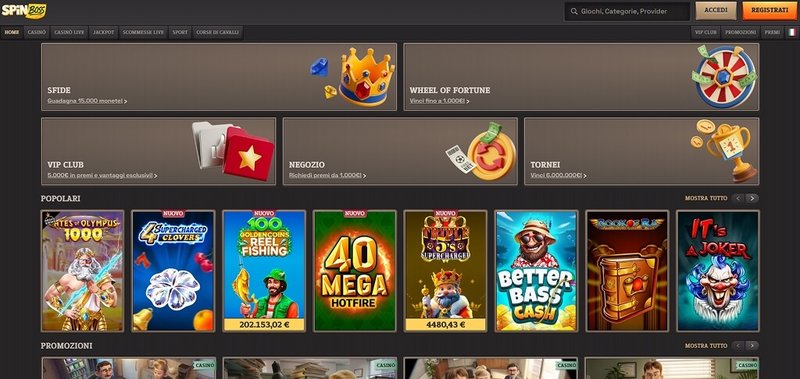
If you’re looking to turn that excitement into real play, try Spin Boss casino for a thrilling blend of gaming and betting.
Challenges and the Road Ahead
Not all is smooth streaming. A handful of viewers in the North East report lag spikes during high‑traffic tournaments, which can ruin the viewing experience. Streamers also face bandwidth throttling during peak hours, causing occasional frame drops. Moreover, the rise of paid subscriptions means that some content is gated behind a paywall, which can alienate newer fans who can’t afford to pay.
Which Hub Should You Choose?
If you’re after the highest quality stream with minimal lag, Twitch’s 60 fps option for competitive titles is the best bet. For those who value community engagement and lower subscription costs, YouTube Gaming’s free tier and built‑in chat moderation tools are hard to beat. Whichever platform you pick, the key is to stay active: comment, ask questions, and participate in polls to feel truly part of the live‑streaming culture.
Frequently Asked Questions
Why are live streams more popular than traditional gaming?
Live streams offer real-time interaction, community chat, and diverse content that keeps viewers engaged beyond single-player games.
How much time do UK gamers spend watching live streams?
On average, UK gamers watch 2 hours and 15 minutes per week on platforms like Twitch and YouTube Gaming.
Do hardcore gamers also watch live streams?
Yes, even hardcore PC gamers admit that a live stream of a League of Legends match can be more engaging than solo gameplay.